




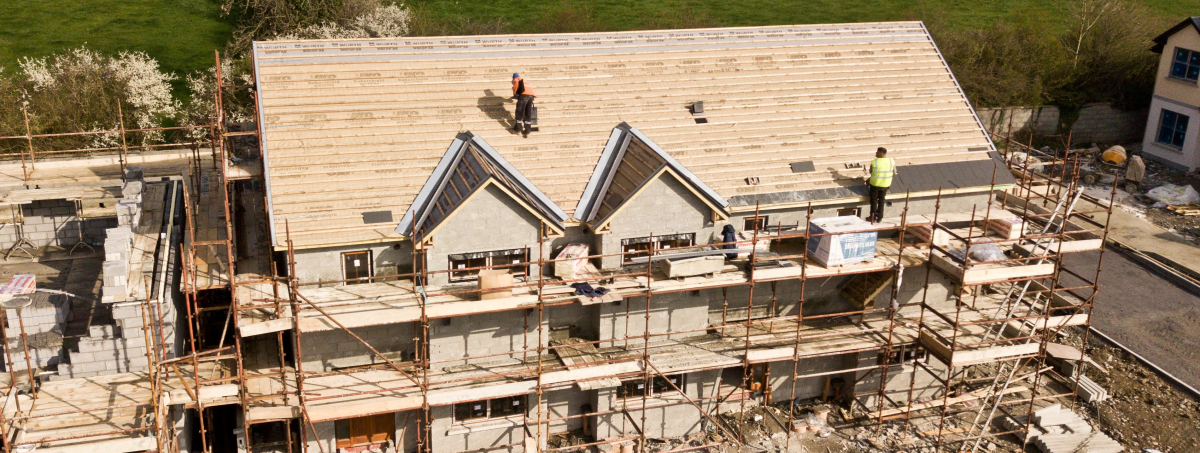
Ireland's construction sector has turned a corner. AIB's Purchasing Managers' Index for July 2026 reached 53, a marked recovery from the 45.4 recorded in June and the first time in 15 months that all three construction categories, commercial, civil engineering, and housing, recorded higher activity simultaneously. Commercial building led the expansion, returning to growth after contracting in June, while civil engineering ended a 14-month sequence of decline. For facilities management Ireland professionals, this recovery is not simply a construction industry story. Every commercial building that moves from foundation to completion represents a managed asset requiring building management, maintenance management, energy management, and compliance oversight from the moment the handover keys are turned. The question for the FM sector is not whether the pipeline is growing. The data confirms it is. The question is whether FM organisations are positioning themselves to serve that pipeline at the standard the next generation of commercial assets will demand.
The commercial building rebound is particularly significant for facilities services providers because commercial construction in Ireland in 2026 is not delivering the same typology of asset that defined the previous cycle. Institutional investors, hyperscale technology occupiers, and healthcare operators are driving the commercial pipeline, and each of these asset classes carries substantially higher FM requirements than the speculative office developments of earlier decades. CBRE Ireland's Q2 2026 market analysis confirms that institutional landlords now treat integrated FM delivery, bundling hard services compliance, energy management, and workplace experience under single accountability, as a prerequisite for premium asset certification rather than an optional service enhancement. Buildings entering the market under new institutional ownership in the second half of 2026 will be assessed against ESG benchmarks, BER compliance thresholds, and smart buildings integration standards that require FM partners with the technical depth to deliver against all three simultaneously.
The housing recovery adds a complementary dimension for property management companies and FM organisations with residential portfolio management capability. Davy economist Kevin Timoney is forecasting 43,000 residential completions for 2026, with a significant increase in apartment completions anticipated in the second half of the year as developers complete units eligible for government subsidies. Apartment assets under institutional ownership, particularly build-to-rent portfolios, require professional property services and maintenance management at a level of consistency and responsiveness that distinguishes institutionally managed residential stock from the private rental market, and the pipeline Timoney forecasts will generate sustained FM demand across Dublin and the major regional centres throughout 2027 and beyond.
Three priorities allow facilities management Ireland organisations to convert the construction recovery into sustained, high-value FM contracts. First, FM service providers should engage with institutional developers and asset managers at planning and design stage rather than at handover, using CIBSE guidance on FM-informed building design to embed maintainability, energy management system integration, and smart buildings infrastructure into the base build specification before construction begins, ensuring that operational performance standards are designed in rather than retrofitted. Second, FM organisations should develop BER and sustainability compliance service offerings aligned to SEAI's non-domestic retrofit framework, positioning energy management and compliance upgrading as a core FM service for the commercial building stock that will face tightening Energy Performance of Buildings Directive requirements from 2027 onward. Third, property management companies taking on new residential completions in the second half of 2026 should implement digital asset management platforms from day one of occupation, capturing maintenance history, compliance records, and energy performance data in a format that satisfies institutional investor reporting requirements and builds the operational intelligence that distinguishes professionally managed residential assets from their unmanaged equivalents.
Ireland's construction revival is creating assets that need professional FM from the moment they open. Commercial building facilities management Ireland is at an inflection point where the volume of new stock entering the market, the standards those assets must meet, and the expectations of the institutional clients who own them are all rising together. FM organisations that are ready to meet all three simultaneously will define what professional building management looks like in Ireland for the decade ahead.






















.png)

