


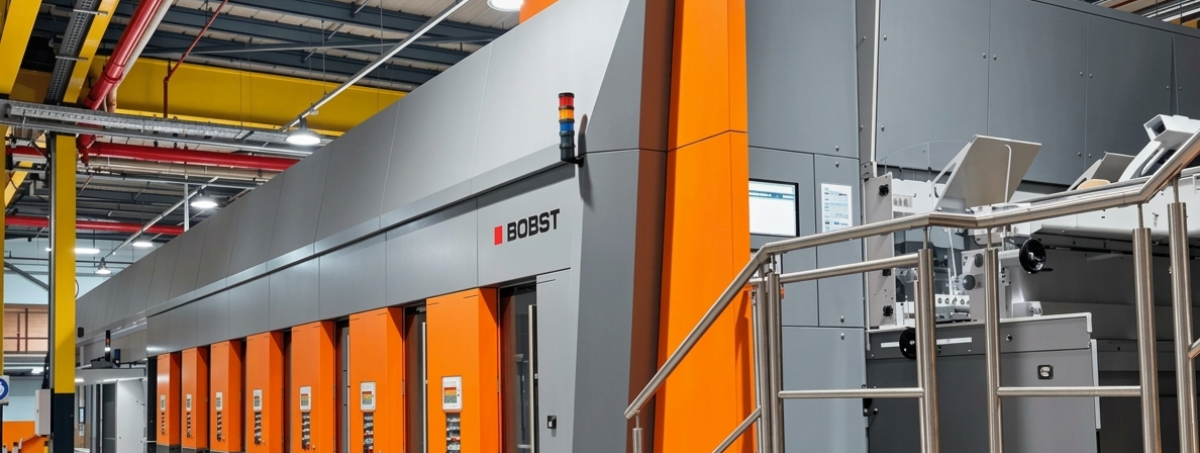
DS Smith is strengthening its UK and Ireland manufacturing operations through machinery upgrades, AI and production optimisation, placing equipment reliability and coordinated site operations at the centre of its capacity expansion strategy.
David Grantham, the company’s UK Supply Chain and Operations Director, outlined the approach in Manufacturing Digital, explaining how new printing and converting equipment, flow modelling and production planning are helping sites improve efficiency while maintaining quality.
DS Smith operates more than 20 manufacturing and technical sites across the UK and Ireland. Its network includes Kemsley Mill in Kent, one of the UK’s major recycled-paper manufacturing facilities, alongside sites supplying packaging to food and beverage, FMCG, e-commerce and industrial customers. Maintaining consistent output across this footprint depends on reliable equipment, effective maintenance and technical expertise alongside investment in production capacity.
For facilities management providers, the investment direction highlights the importance of industrial asset performance. Advanced printing presses, rotary die cutters and multi-point gluers require planned maintenance, technical servicing and effective management of equipment downtime. Supporting infrastructure, utilities, site services and contractor coordination also contribute to keeping manufacturing operations dependable.
Digital tools add another dimension. Grantham said DS Smith is using AI, flow modelling and production optimisation to understand how orders move through its operations and identify potential constraints. For FM teams, this reinforces the value of connecting maintenance planning with production requirements, using asset data to anticipate equipment needs and coordinating interventions around operational priorities.
The company’s broader investment programme provides further context. DS Smith reported spending £24 million across its UK and Ireland network in 2025, with further investment planned in facilities, capacity and technology, according to its investment update. While no new FM contracts have been announced, continued investment in industrial equipment can create future demand for specialist maintenance, engineering support and lifecycle management.
The commercial priority is to protect the value of that investment. Equipment that delivers higher production speeds must also maintain quality, consistency and dependable performance. Facilities and engineering partners that can support preventative maintenance, reduce avoidable downtime and align site services with production schedules can contribute directly to those objectives.
For the sector, the lesson is direct: manufacturing investment does not end when new machinery is installed. Its long-term value depends on the operational systems, maintenance expertise and site support that keep assets performing. FM providers able to demonstrate reliability and measurable performance improvements have an opportunity to become strategic partners in manufacturing growth.
Source: Manufacturing Digital / DS Smith








.png)

